

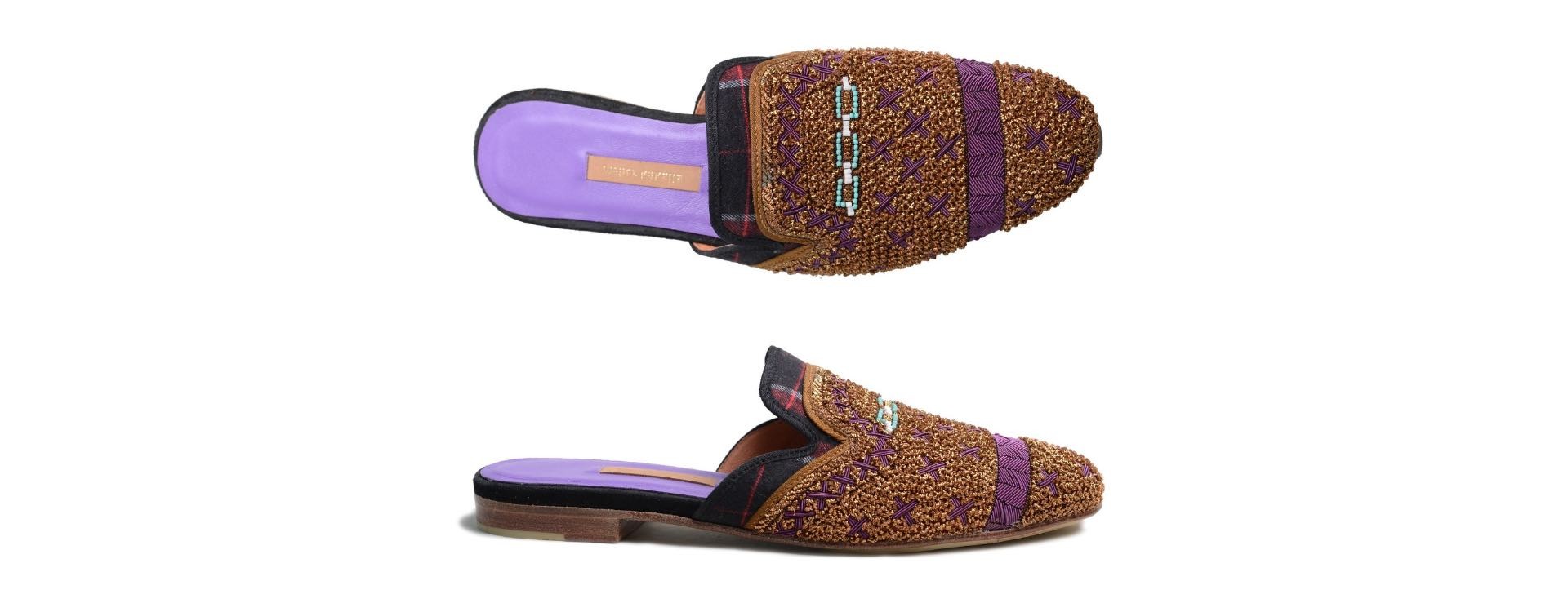
Tracery, patterns, colours – where the embroidery comes from?
By the end of XVII century the Great Mughal Empire at the height of their power embraced the most part of the Indian subcontinent and the part of the modern Afghanistan. The nation was not just rich – it personifies luxury. The wealth of the Mughal elite led to their patronage of painting, literature, fashion, and architecture. Their architectural contribution to worlds cultural heritage is well known - masterpieces left after the empire such as Humayun’ Tomb and Taj Mahal amaze the imagination and still reminds of past glory. But few people know about their outstanding fashion innovations.
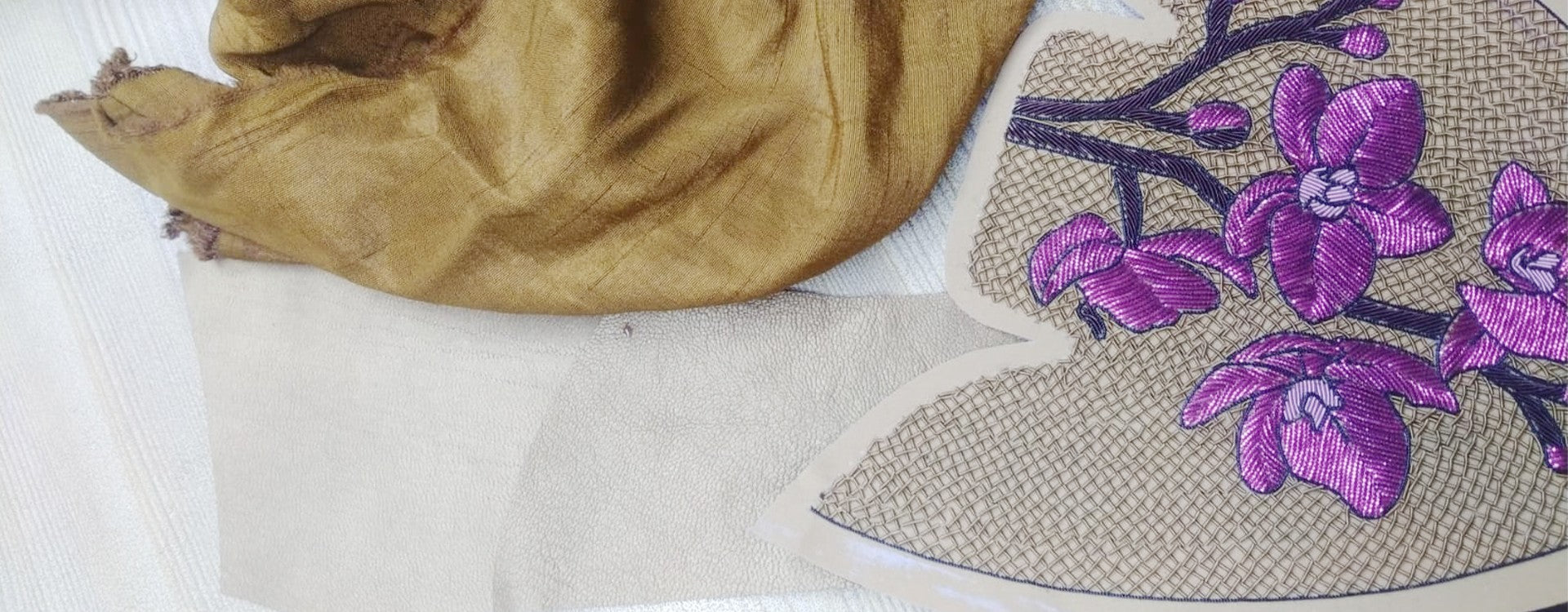
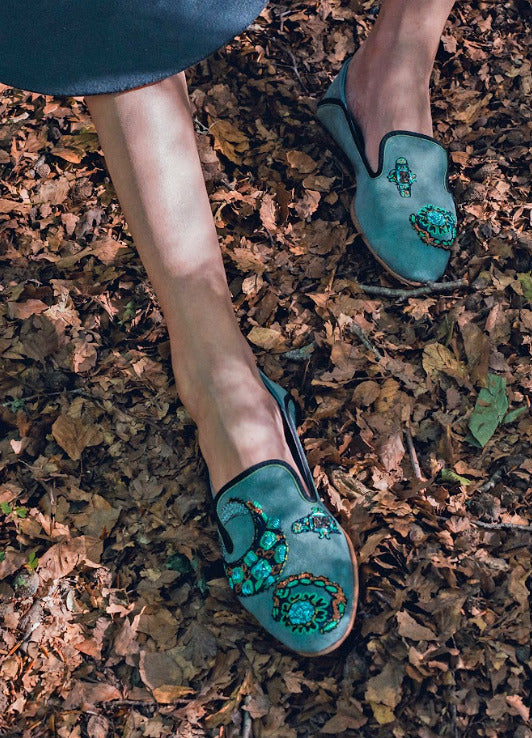
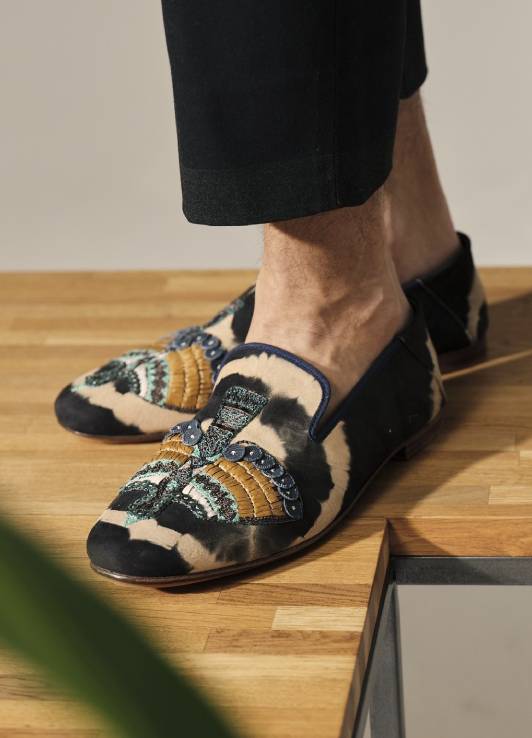
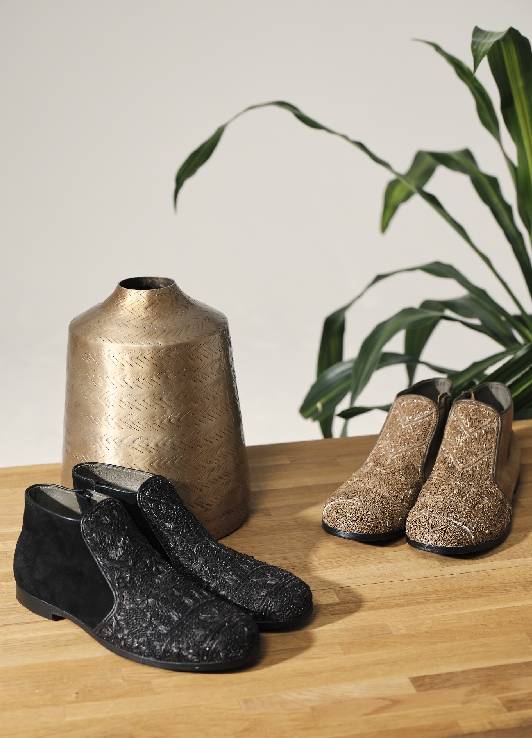
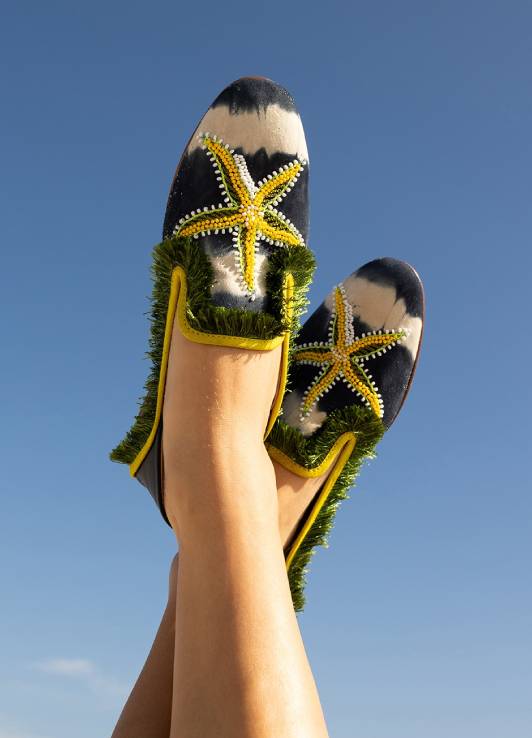
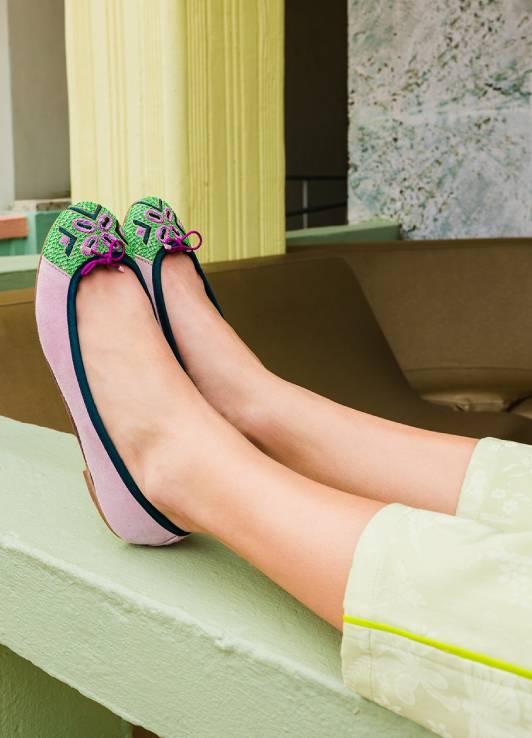
The ladies and gents of the Mughal empire wore beautiful and expensive clothes made from the finest materials and adorned themselves with jewellery from head to toe. The art of embroidery on leather and velvet footwear, was very popular. One-of-a-kind slippers were originally constructed of pure leather with superb embroidery with gold and silver threads, as well as exquisitely embellished with precious stones and pearls, giving its wearer an ethnic appeal on any occasion – from everyday use to weddings, religious ceremonies, parties, or festivals.
 |
 |
Still preserved bejeweled mojaris which have been worn by the Nizam of Hyderabad, Shikander Jah, in the early 19th century are embellished with gold metal thread called zardosi and salma sitara embroidery, gold metal embroidery incorporating a sequin or sitara. The throats are embellished with rubies, diamonds and emeralds set in enamelled gold. They are among the 10 costliest shoes ever made in the world!
 |
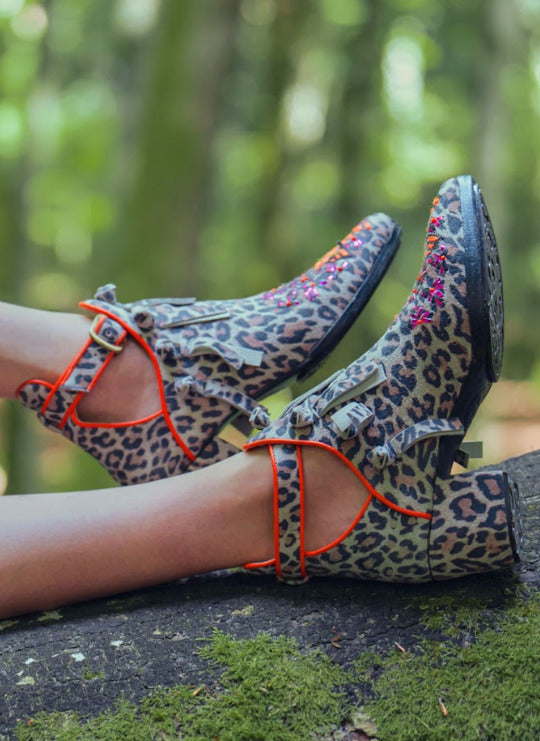
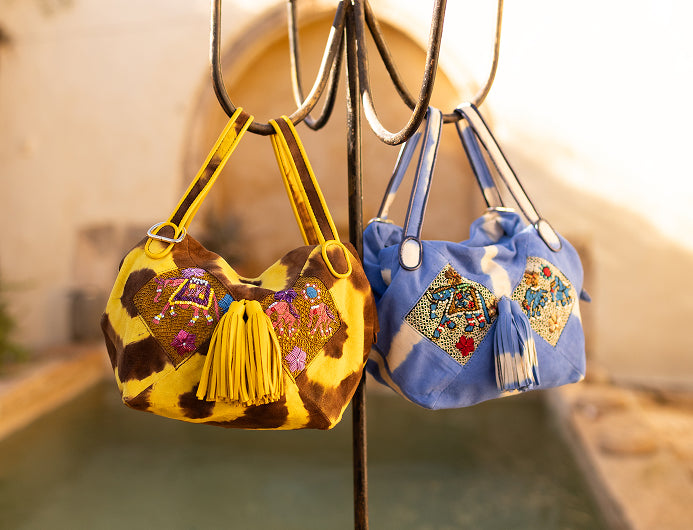
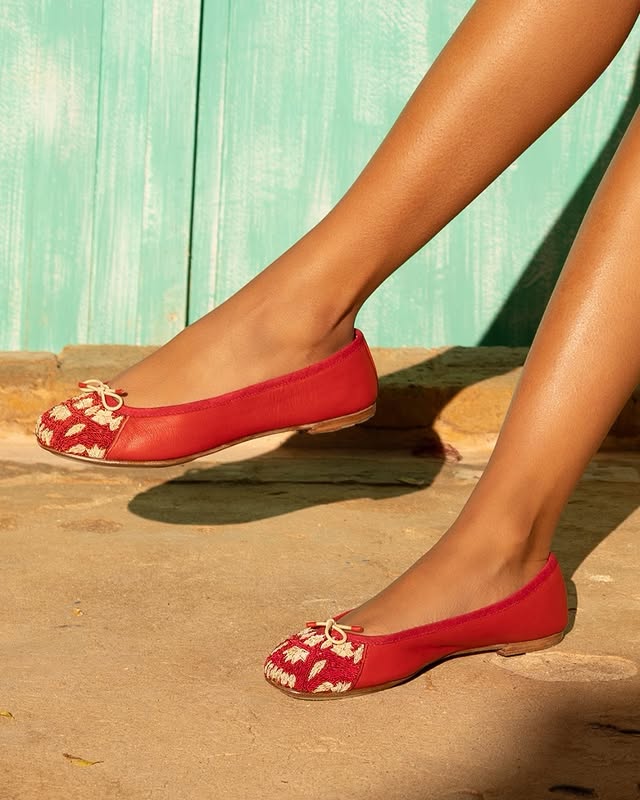
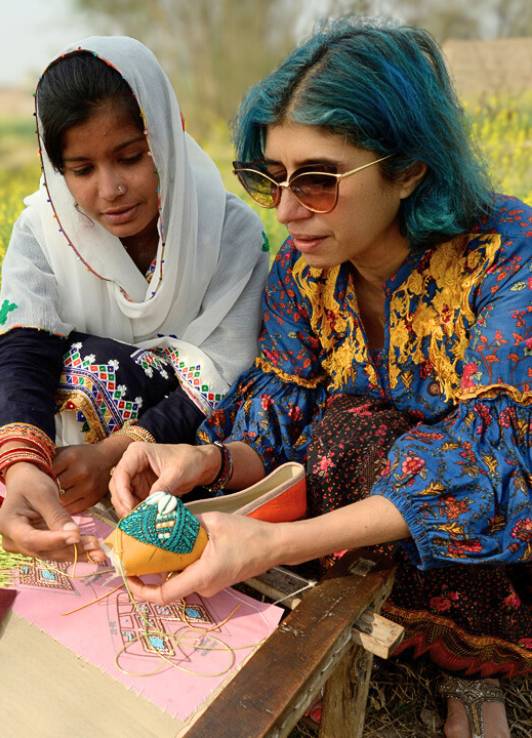
The era of royal fashion is already in history, however the traditional craft of making embroidered shoes preserved even after 400 years. Women embroiderers who make Meher Kakalia shoes pass their skills from mother to daughter keeping the techniques alive, which makes every made shoe truly unique and able to give a royal grandeur to any outfit.